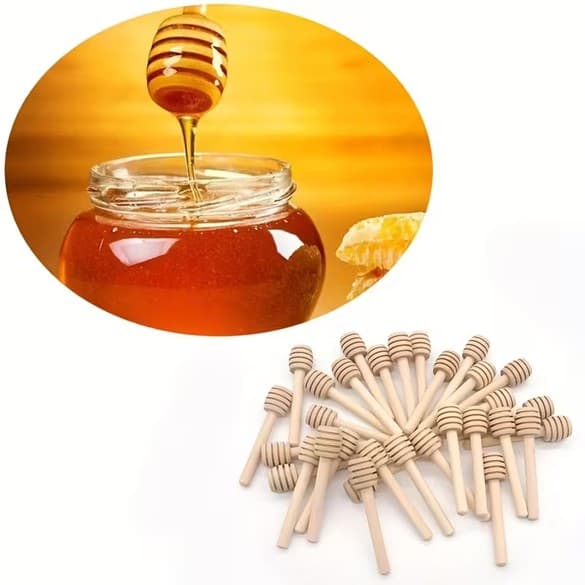
Honey Spoon / Honey Dipper
To the hurried world, it is merely a utensil. A kitchen gadget carved from beech wood, possessing a stout handle and a bulbous, grooved head that looks strangely medieval.
But to those who understand the alchemy of breakfast, the wooden honey spoon, often called a honey dipper, is a wand.
It begins its life quietly, deep in a forest, drawing up sunlight and rainwater through rings of quiet growth. Long after the tree has fallen, it is shaped on a lathe, sanded until it feels like silk against the palm, and left entirely unfinished. No varnish. No plastic coating. It waits.
Then comes the golden hour.
You plunge the spoon into a heavy glass jar of organic wildflower honey. The thick, amber liquid parts with a sluggish, reluctant sigh, wrapping around the carved concentric grooves. This is where the magic of the design reveals itself. A normal spoon would let the honey pool flat and slide off in an untidy rush, creating a sticky disaster on the way to your toast.
The wooden dipper, however, is a trap of surface tension.
As you lift it from the jar, you must perform the sacred ritual of the honey dipper: a slow, hypnotic wrist-roll. Spin, spin, spin. The centrifugal force keeps the liquid suspended, winding it tightly into the grooves like spun sunlight. It refuses to drip. It holds its breath.
You hover it over a warm biscuit, a bowl of Greek yogurt, or a steaming mug of chamomile tea, and you stop spinning.
For a breathless second, nothing happens. Then, gravity takes the wheel. A single, perfect, heavy bead forms at the tip and descends in a languid, unbroken thread. It pools into a glossy crater, sinking slowly into the warmth of your food.
There is an intentionality to using wood for honey. Metal can impart a metallic tang, reacting with the natural acids of the raw nectar. Plastic feels disposable, an insult to the bees that flew millions of miles to fill the comb. But wood? Wood speaks the language of the hive. It is organic meeting organic.
Over time, something beautiful happens to the spoon. The honey begins to season the wood. The pale beech darkens to a rich caramel tone in the crevices; the wood develops a deeper, butterscotch patina. It absorbs the sweet, floral ghost of every jar it has ever emptied. It becomes a record of lazy Sunday mornings, sore throats soothed with lemon in a tea, and midnight spoonfuls stolen straight from the pantry.
In our rush-hour kitchens, the wooden honey spoon asks us to slow down. It demands patience. It insists that you watch the golden thread fall, reminding you that some of the best things in life cannot be rushed—they must be spun.
Product Information
Product Information
Shipping & Returns
Shipping & Returns
You might also want to check out these products.
Homewares
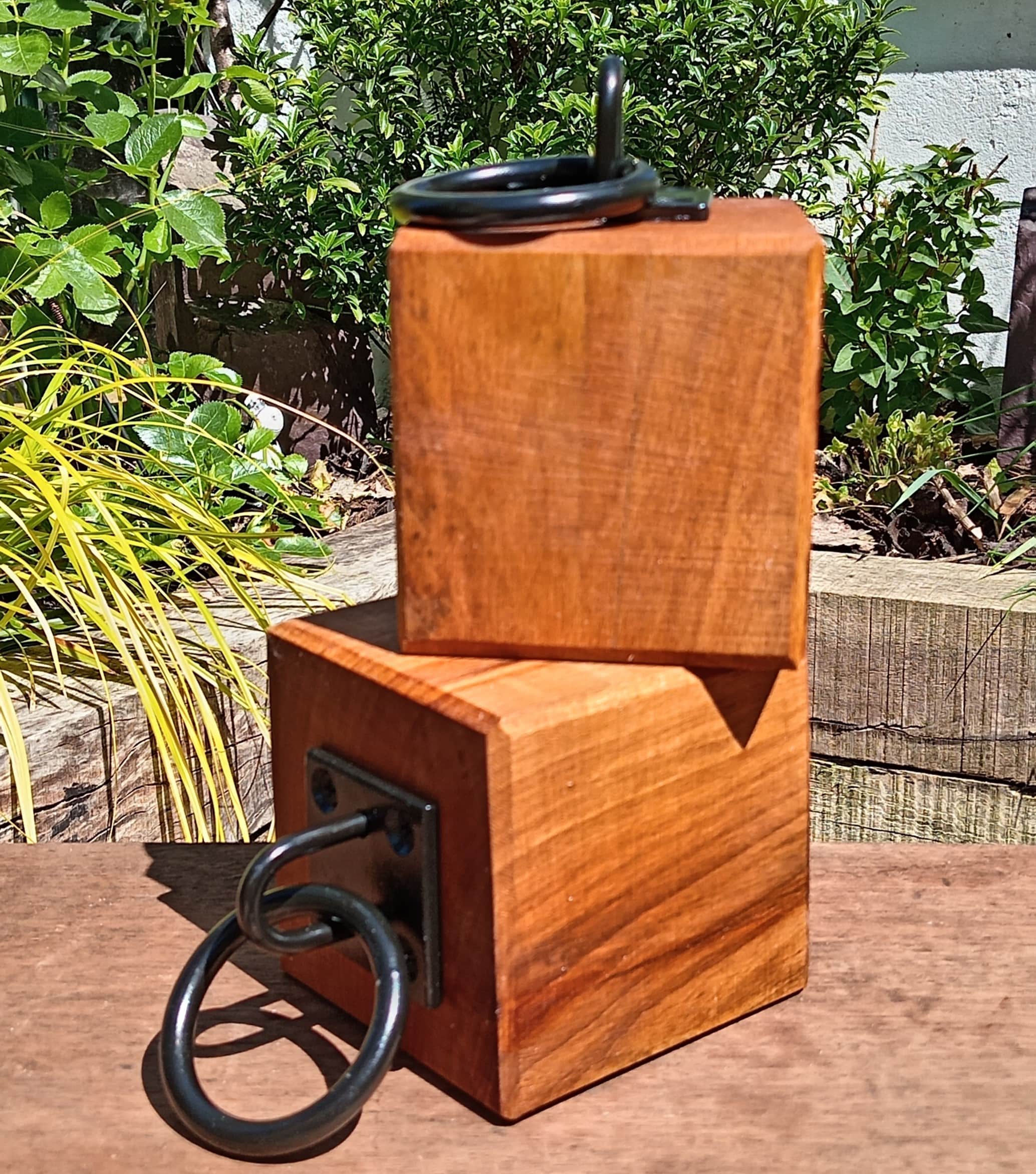
Oak Bookends
£24.99
Homewares
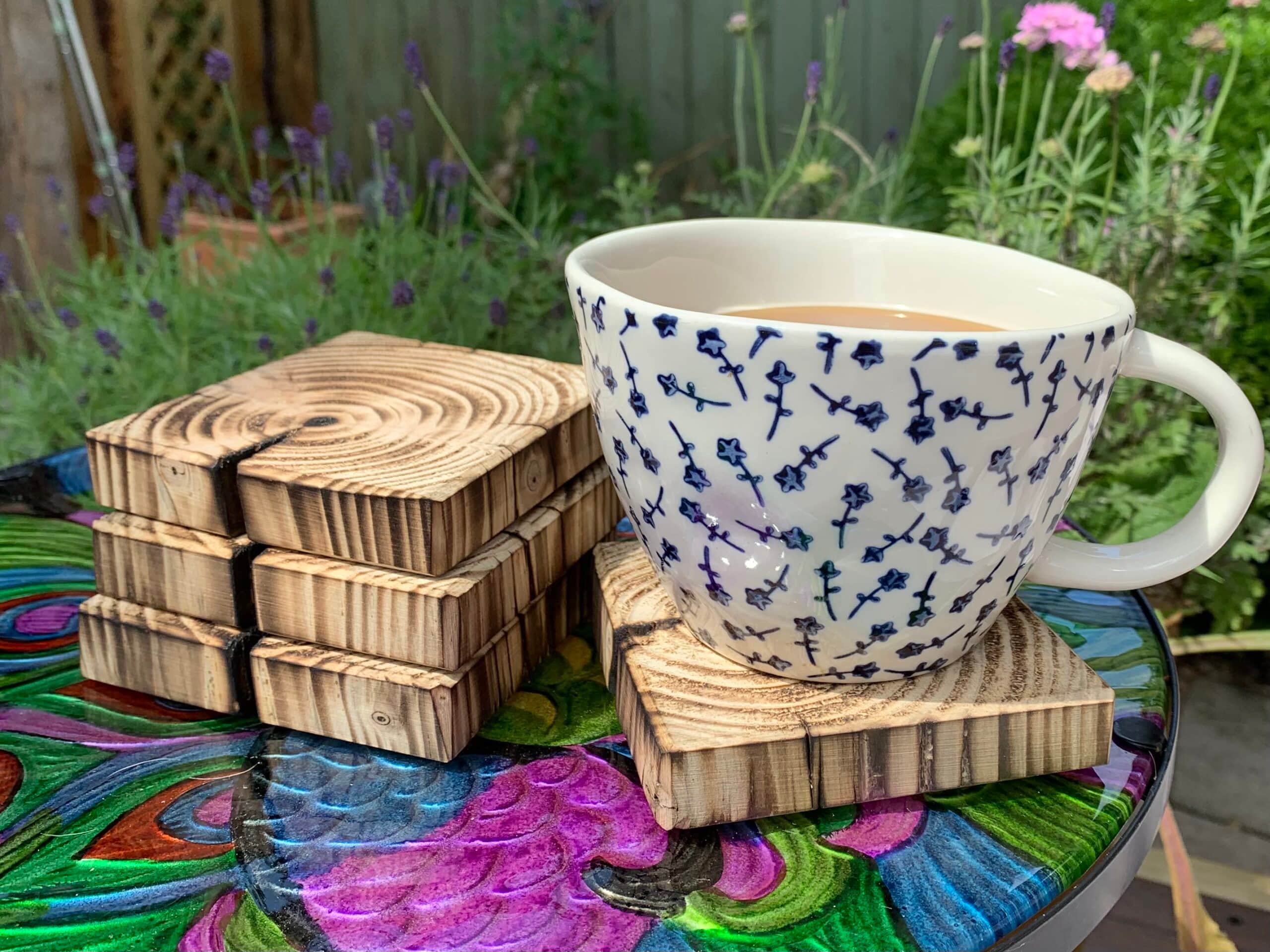
Rustic Wooden Coasters
£9.99 – £14.99
4 pcs6 pcs8 pcs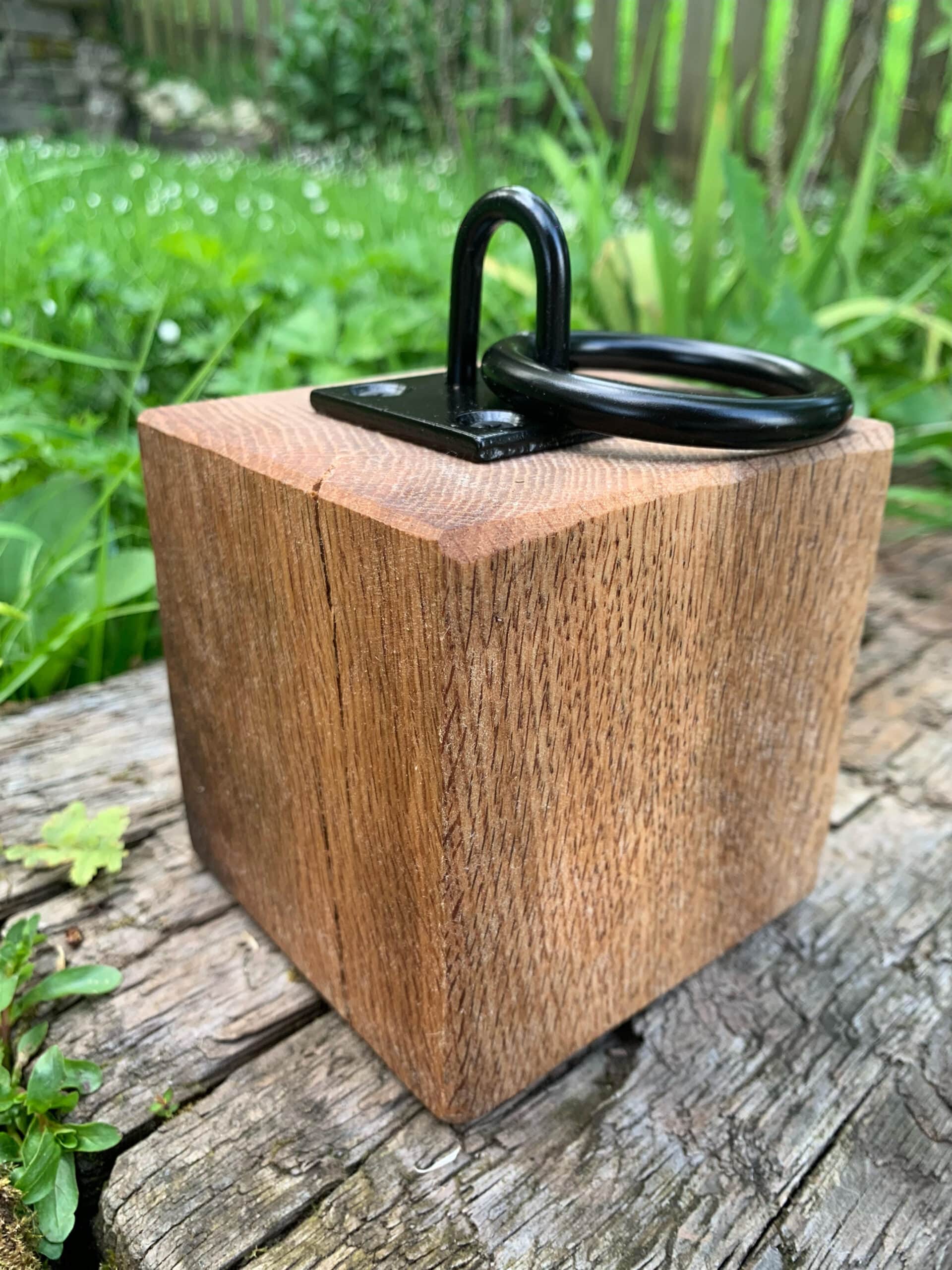
Homewares
Oak Doorstop
£14.99
Homewares
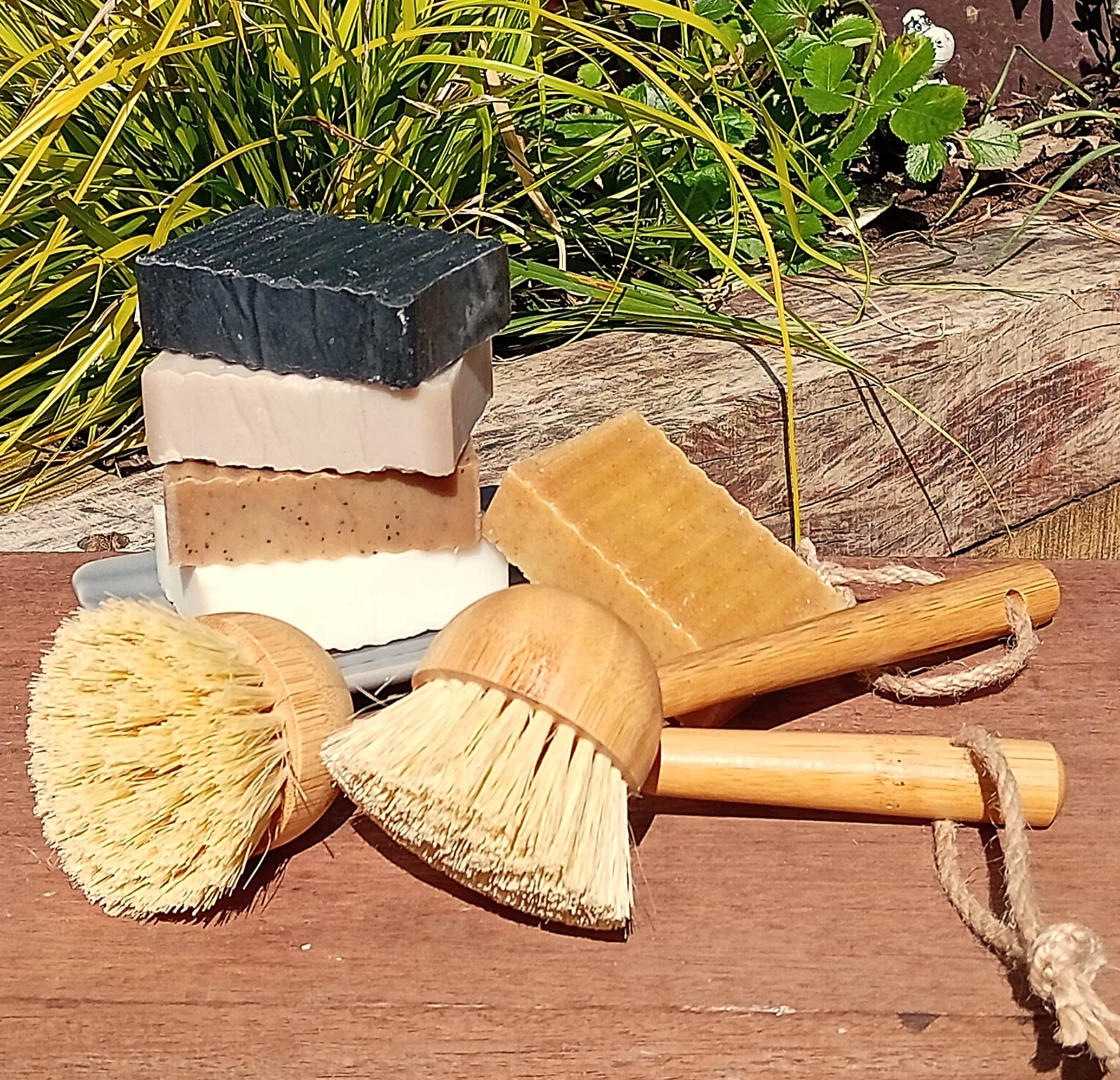
Dish Brush
£1.99
Homewares
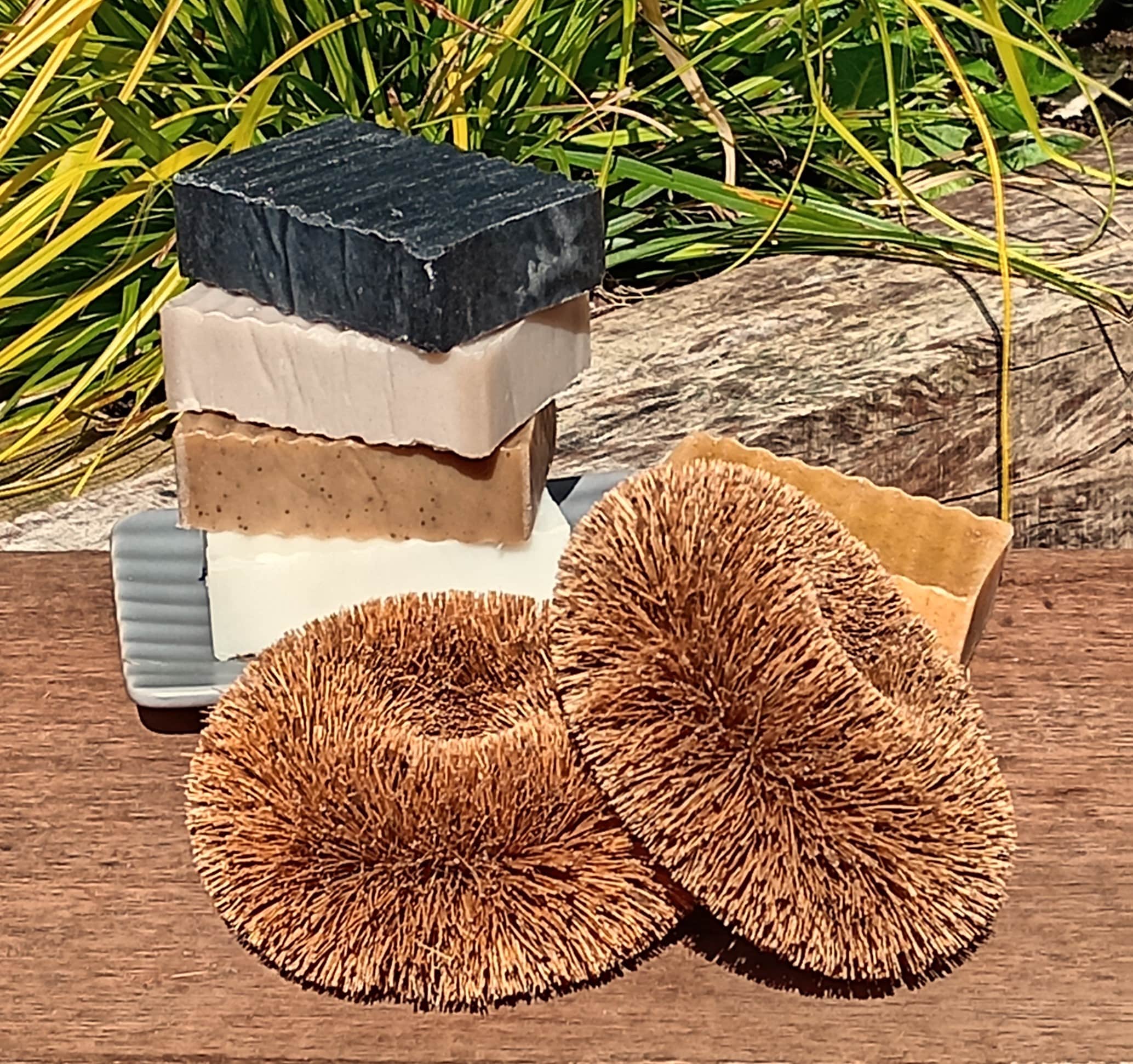
Coconut Bristle Scourer
£0.79
Homewares
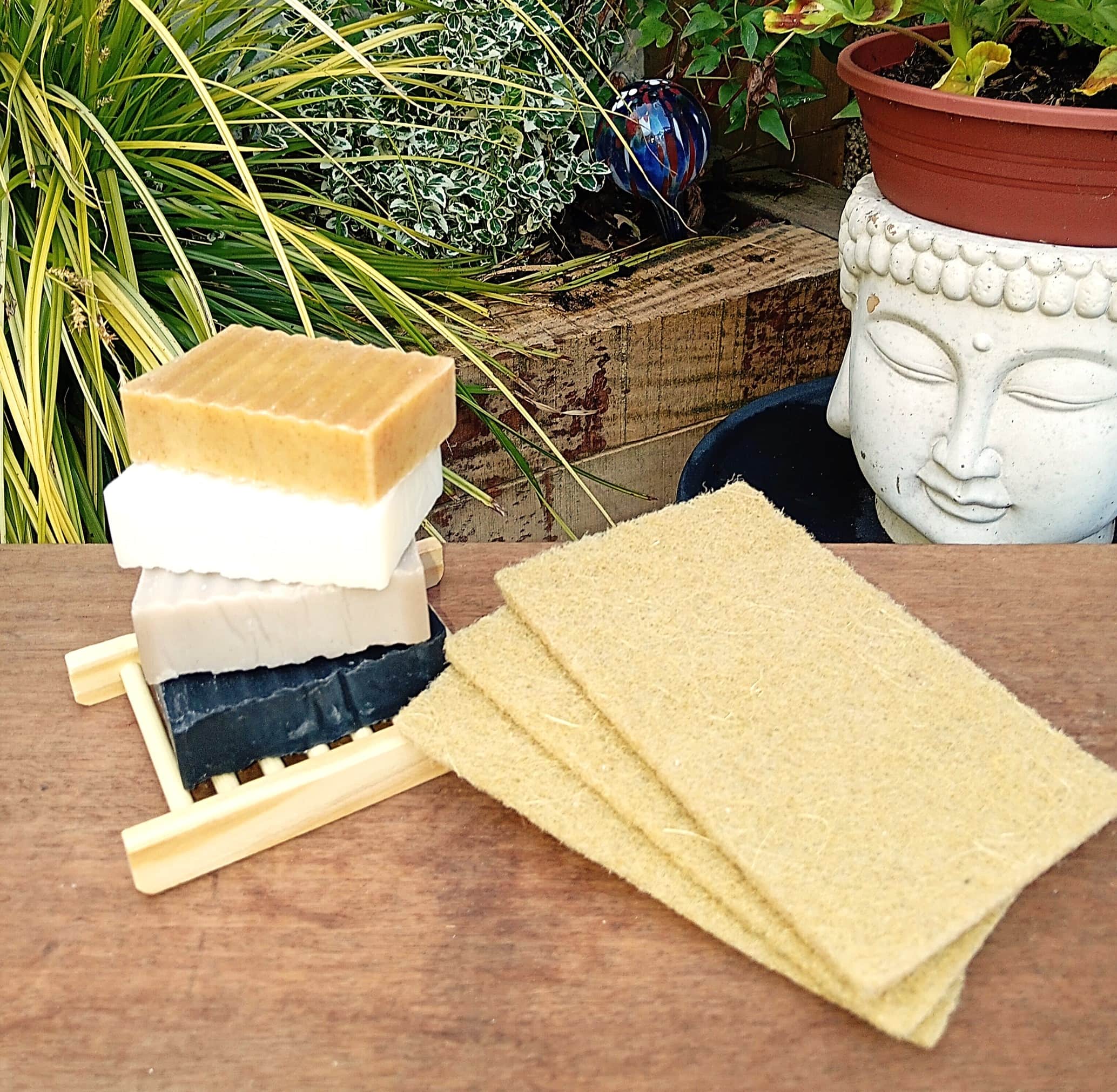
Coir And Palm Fiber Scourer Pads
£1.49
Homewares
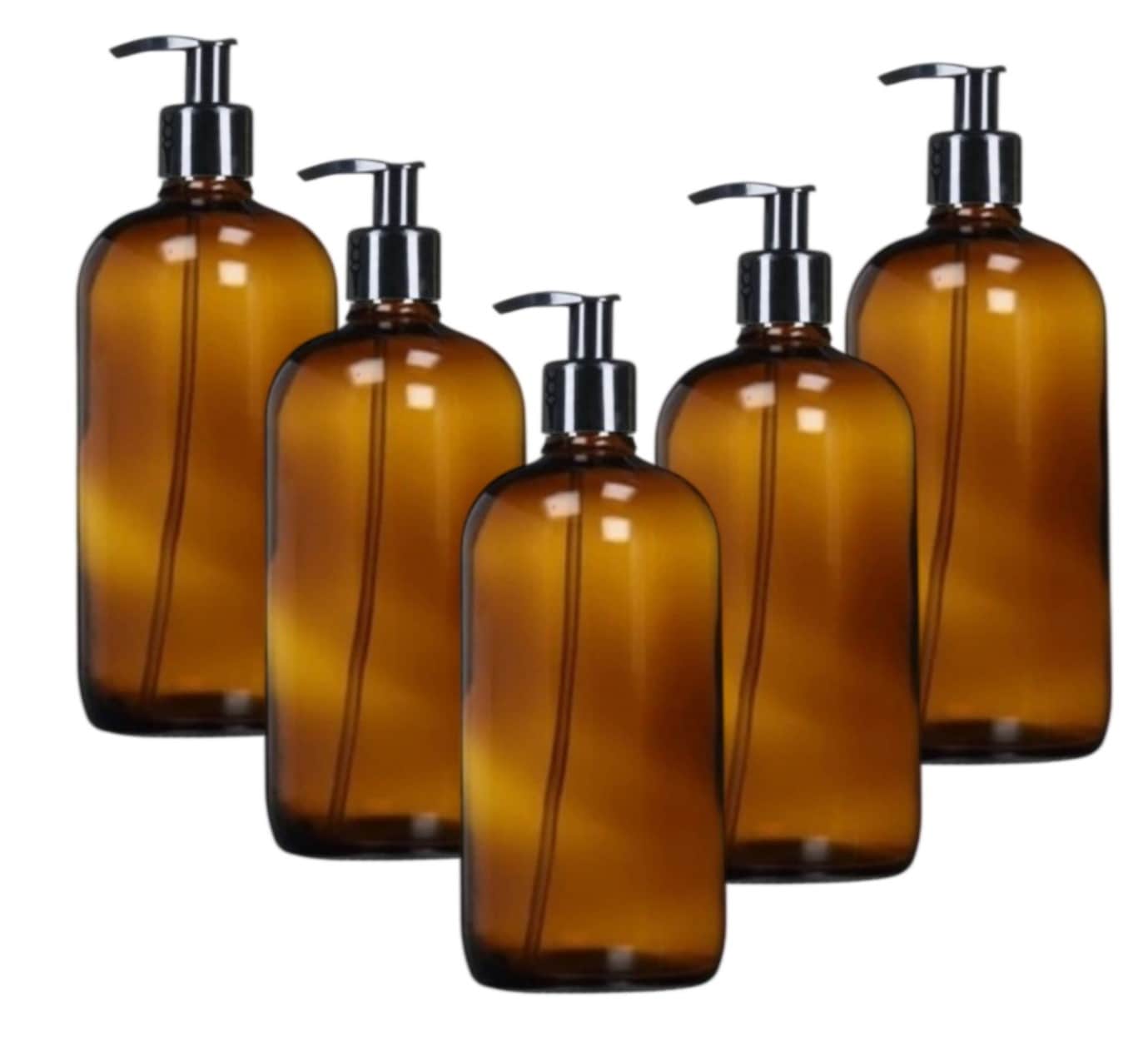
500ml Amber Glass Dispenser Bottles (Empty)
£4.99 – £8.99
1x Bottle2x Bottles