The Illusion of Green: Why the Word ‘‘Natural’’ Can Be Deceptive.
The term 'Natural' is largely unregulated marketing fluff, so ignore the front label and read the ingredients list instead
by crapfree.co.uk
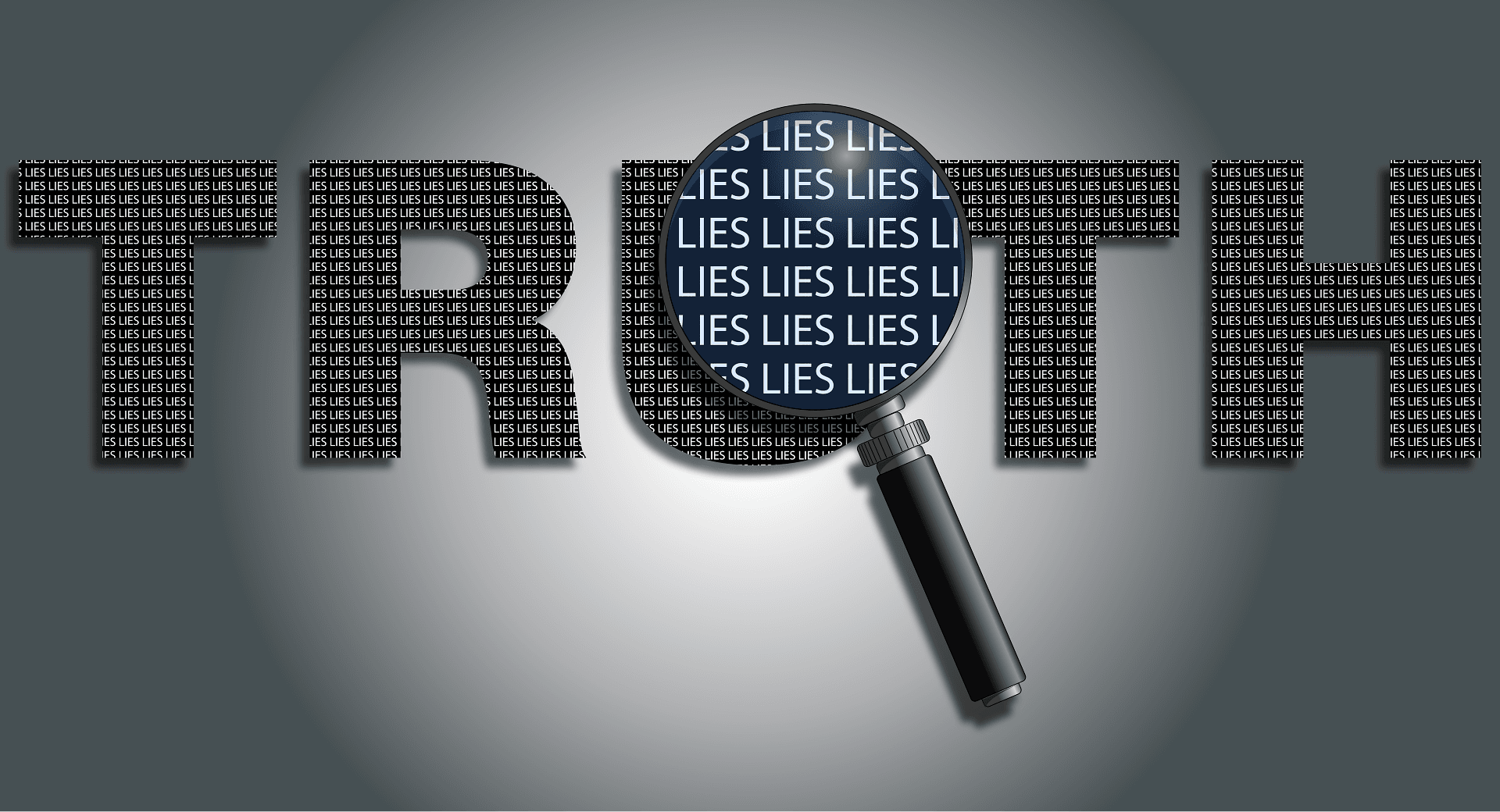
Why the Word ‘‘Natural’’ Can Be Deceptive.
Walk down the aisle of any grocery store, beauty supply shop, or pet food retailer, and you will be bombarded by a single, reassuring word: ‘Natural’.
It’s printed on cereal boxes in earthy brown tones, stamped on shampoo bottles surrounded by watercolour leaves, and highlighted on skincare packaging alongside images of dewy flowers and pristine waterfalls.
For the modern consumer seeking healthier, safer, and more environmentally friendly options, ‘Natural’ acts as a beacon of trust. It implies wholesome goodness, a return to simpler times, and a product that is kind to both your body and the planet.
There is just one major problem: In many industries, the word ‘Natural’ means very little.
In fact, it is often one of the most deceptive marketing terms in modern commerce. Here is a deep dive into why you shouldn't judge a product by its ‘Natural’ label, how companies use the term to their advantage, and what you should look for instead.
1. The Wild West of Regulation:
When you see words like Organic or Non-GMO, you might assume ‘Natural’ carries a similar weight of strict legal oversight; It doesn’t.
At first glance, ‘Natural’ suggests something that is safe and that exists in, or is derived from, nature without human alteration. However, no universal legal definition governs its use on consumer products in many countries, including the United States, Canada, and the European Union.
FDA (U.S.): The agency has informally stated that ‘Natural’ means “nothing artificial or synthetic … has been included in, or has been added to, a product that would not normally be expected to be there.” Yet this guidance is non‑binding and leaves plenty of room for interpretation.
EFSA (EU): No formal definition exists; the term is regulated only when it appears alongside specific nutrition or health claims.
Canada: Health Canada advises that ‘Natural’ should not be used to imply a product is safer or healthier, but enforcement is lax.
In cosmetics and the beauty industry, the regulation is even looser. A shampoo can contain 99% petroleum-derived synthetic chemicals and 1% of a plant extract, and yet manufacturers can legally plaster the front label with the word ‘Natural’.
Because the term lacks a standardised legal definition, it essentially means whatever the marketing department wants it to mean.
2. The Fallacy of "If It’s ‘Natural’, It Must Be Safe":
One of the most dangerous misconceptions about the word ‘Natural’ is the false equivalence between ‘Natural’ and safe or healthy.
Mother Nature is an incredible chemist, but she also produces some of the most toxic substances known to humanity.
• Poison Ivy and Arsenic: Both are 100% ‘Natural’, yet you wouldn't want to rub the former on your skin or ingest the latter.
• Asbestos and Mercury are both natural but obviously not safe.
• Cane Sugar and High-Fructose Corn Syrup (derived from corn) are technically ‘Natural’, but consuming them in excess leads to the same metabolic health issues.
• Alcohol is natural as is Tobacco.
• Even Essential Oils, which are highly concentrated ‘Natural’ plant extracts can be potent allergens, skin irritants, and even toxic to pets. The list is endless.
3. The Art of "Greenwashing":
The deceptive use of the word ‘Natural’ is the cornerstone of greenwashing, a marketing tactic where companies spend more time and money marketing themselves as eco-friendly than actually minimising their environmental impact.
Companies leverage ‘Natural’ labelling through clever psychological triggers:
Visual Semantics: Packaging featuring green leaves, minimalist brown paper, cursive fonts, and imagery of open fields primes the human brain to associate the product with nature, regardless of what the ingredient list actually says.
By-Association Fallacy: If a product contains one ‘Natural’ ingredient (like aloe vera or coconut oil), marketers will often brand the entire product as ‘Natural’, completely ignoring the cocktail of synthetic parabens, sulfates, and artificial fragrances hidden lower down on the ingredient label.
Personal Care & Cosmetics:
• Soaps & Shampoos: Unlike crapfree soap and shampoo, “Natural Botanicals” may refer to a tiny amount of lavender oil, while the formula relies on sulfates, parabens, and synthetic fragrances for lather and preservation.
• Moisturisers: Claims of “Natural Shea Butter” can be true, but the product may also contain petrolatum derived emollients and synthetic stabilisers to extend shelf life; unlike crapfree moisturisers which contain ONLY the ingredients that need to be there.
• Sunscreens: Other “Natural Mineral Sunscreens” often use nano-sized zinc oxide or titanium dioxide, meaning the particles are small enough to penetrate the skin or are coated with synthetic substances to improve spread-ability, details rarely disclosed on the front label. Crapfree on the other hand, uses ‘Non-Nano Zinc Oxide’ and non-synthetic moisturising ingredients.
4. How to Cut Through the Marketing Hype:
If ‘Natural’ is an unreliable metric, how are conscious consumers supposed to make informed choices? The secret is to stop looking at the front of the package and start looking at the back.
Here is your decoder ring for smarter shopping:
Ingredients are listed in descending order by weight. If a hero ingredient like "argan oil" is marketed on the front, but appears after the preservatives and synthetic fillers on the back, it’s present in negligible amounts.
Beware of Vague Claims:
Phrases like “Naturally Derived,” “Plant-based,” or “Made with Natural Ingredients” are red flags. They are usually clever linguistic workarounds used when a product doesn't actually qualify as fully ‘Natural’. Look for specific transparency, such as a brand that explicitly discloses every ingredient.
The Takeaway:
The word ‘Natural’ is not inherently evil. There are wonderful, ethical brands that use it honestly to describe wholesome, minimally processed goods.
However, as a consumer, it is vital to view the word not as a guarantee of quality, safety, or sustainability, but as a marketing term.
By shifting your attention away from buzzwords on the front label and toward ingredient transparency on the back, you take the power back into your own hands, ensuring that what you buy is truly as good for you as the marketing claims it is.