Is Sole Just Salty Water? Not Quite.
Why people are adding Himalayan pink salt brine to their water for a daily mineral top-up?
by crapfree.co.uk
1. What Exactly Is “Sole”?
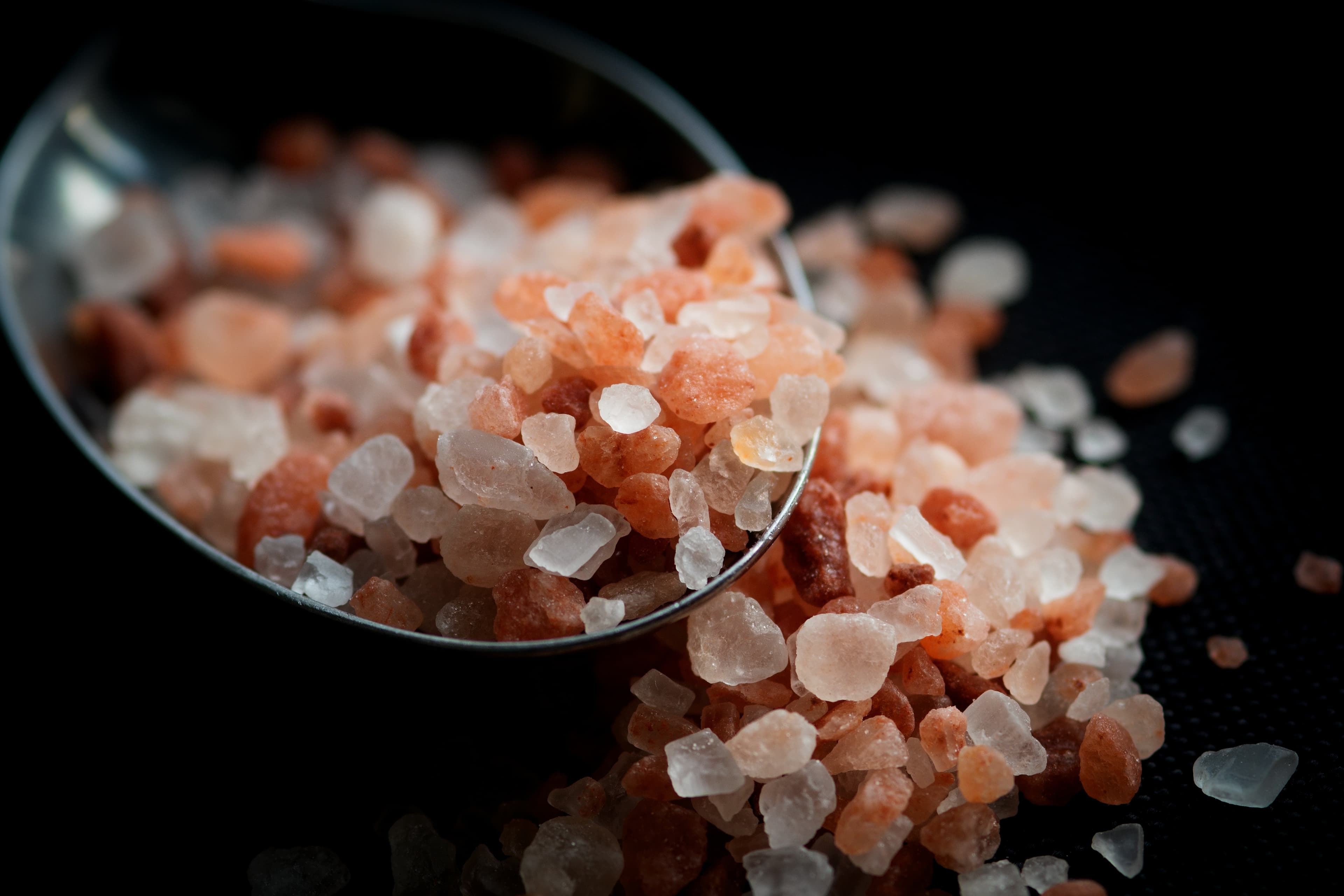
In the world of holistic wellness, sole (pronounced so lay) is a saturated salt solution—essentially water that has been “fully loaded” with the mineral goodness of Himalayan pink salt.
The salt is harvested from ancient sea bed deposits deep beneath the Punjab region of Pakistan, a remnant of a primordial ocean that existed more than 250 million years ago.
When you dissolve the rose coloured crystals in pure water until no more can dissolve, you create a brine that contains all 84 trace minerals and elements found in the rock. The result is a slightly salty, mineral rich liquid that looks almost like a faint sunrise in a bottle. This is the “sole” that has been touted from the foothills of the Himalayas to the spas of Los Angeles.
Lots of people add salt to their water for its health benefits, particularly athletes looking for an electrolyte boost, people who are fasting and people on a carnivore diet. Sole water is not the same as drinking water with salt. It’s water that has fully absorbed the maximum amount of salt (26%). This is close to sea water, which, the health benefits in itself been the subject of study (see below).
2. Why the Minerals Matter:
Himalayan salt is not the same as the refined table salt we sprinkle on fries. Table salt is stripped of everything except sodium chloride, then fortified with additives like iodine and anti caking agents. Himalayan salt, by contrast, retains its original matrix:
Mineral (≈ % of total) and their role in the body:
Potassium (0.02 %): Supports nerve signalling, muscle contraction, and fluid balance.
Magnesium (0.10 %): Activates over 300 enzymes, aids muscle relaxation, and contributes to bone health.
Calcium (0.28 %): Vital for bone structure, blood clotting, and cellular communication.
Iron (0.01 %): Crucial for oxygen transport in haemoglobin.
Zinc, Copper, Selenium (trace): Antioxidant defence, immune modulation, and thyroid function.
Sulfate (0.07 %): Aids digestion, supports liver detoxification.
When these elements are dissolved in water, they become bioavailable ions—the same electrically charged form that our cells can readily absorb. This is the key to why a teaspoon of sole can feel like a “mineral boost” rather than just another pinch of salt.
3. Five Evidence Inspired Benefits (and a Few Cautionary Notes):
a. Enhanced Hydration & Electrolyte Balance:
The ions in sole—sodium, potassium, magnesium, and calcium—work together to help water cross cell membranes more efficiently. Think of them as tiny “door openers” for H₂O. A modest dose (½ tsp of sole in 250 ml of water) can make a glass of water taste smoother, and many people report fewer bouts of nighttime leg cramps after a week of regular use.
**b. Alkalizing Influence: ** Modern diets tend to be acid producing (think excess processed foods, meat, and dairy). Some holistic practitioners argue that the extra minerals in sole can help buffer excess acid, contributing to a more balanced blood pH. While the body tightly regulates pH, a slight shift toward alkalinity may support overall vitality and reduce feelings of fatigue.
c. Respiratory Comfort:
Inhaling steam infused with a few drops of sole is a practice borrowed from Himalayan salt caves (speleotherapy). The mineral laden mist can soothe irritated nasal passages, loosen mucus, and provide a modest anti inflammatory effect. Many users describe it as “breathing in the mountain air” during a cold or seasonal allergies.
d. Skin Revitalisation:
A foot soak with ¼ cup of sole in a basin of warm water can act as a gentle exfoliant and mineral bath. The magnesium helps relax tight muscles, while the sulfate supports the skin’s natural detoxification process. After a 15 minute soak, the feet often feel softer, and the skin appears more luminous.
e. Digestive Harmony:
A small amount of sole (about ¼ tsp) added to a cup of warm water and sipped before meals is said to stimulate stomach acid production, aiding the breakdown of food. The trace zinc and copper also contribute to enzyme activity that supports nutrient absorption. (If you have acid reflux or a sensitive stomach, start with an even smaller amount and observe how you feel.)
4. How to Make Your Own Sole at Home:
Creating this mineral elixir is as simple as mixing salt and water—no lab required (Watch our Video).
1. Choose the Right Salt – Look for 100 % pure Himalayan pink salt that is minimally processed. Check the label for “no additives” to ensure you’re getting the full mineral spectrum.
2. Create the Saturated Brine – In a clean glass jar, combine 1 part salt to 4 parts water (e.g., 200 g of salt to 800 ml of water). Stir well. You’ll notice some undissolved salt settling at the bottom—this is normal; it indicates the solution is saturated.
3. Let It Rest – Cover the jar and let it sit at room temperature for 12–24 hours. The minerals will continue to leach into the water, forming a clear, pinkish brine.
4. Store – Transfer the liquid (the “sole”) to a dark glass bottle. It will keep indefinitely, but a cool, dark cupboard is best to preserve its potency. Dosage Tip: Start with ½ tsp of sole in a glass (250 ml) of plain water once a day. Adjust to taste, but stay below 1 tsp per day unless guided by a professional.
5. Creative Ways to Use Sole (Beyond the Glass)
• Morning Tonic: Add a splash of sole to warm lemon water for a gentle “wake up” that also supplies minerals.
• Cooking: Replace regular salt with a teaspoon of sole in soups, stews, or grain dishes for a deeper, more complex flavour.
• Bath Soak: Pour ½ cup of sole into a warm bath, add a few drops of lavender essential oil, and soak for 20 minutes for a detoxifying, muscle relaxing experience.
• Nasal Rinse: Mix ¼ tsp of sole into 200 ml of distilled water and use as a neti pot solution (always use sterile water to avoid infection).
• Skin Mist: Dilute 1 tsp of sole in 100 ml of filtered water, pour into a spray bottle, and spritz on the face for a refreshing, mineral charged mist.
Benefits attributed to Sole Water:
• Helps Hydration – Our body is made of salt water. During sleep, the body naturally repairs and detoxifies. It uses a good amount of water in the process. Consuming sole first thing in the morning helps the body rehydrate.
• Helps the Body Detoxify – People have used salt for centuries to preserve food. It’s also used as an anti-inflammatory mouth rinse. Because of its antibacterial properties, water made with salt can be useful for the body’s natural detoxification.
• Improves Sleep – Research shows that a diet low in sodium disturbs sleep. Adding sole to your daily routine boosts sodium and other mineral levels that help you sleep.
• Boosts Energy – The minerals in sole help boost energy throughout the day. A 2019 study shows that people who had higher sodium intake had more energy.
• Improves Digestion – A 2020 randomised control group found that drinking salt water stimulates the digestive system. This promotes food absorption and naturally relieves constipation.
• Regulates Heart Rate – Low sodium diets interfere with the heart’s electrical signals, increasing the risk of irregular heartbeat, or arrhythmias.
• Improves Blood Sugar – Research shows that a high-salt diet enhances insulin regulation, while a diet low in salt increases insulin resistance. Some people note improved blood sugar levels after using sole.
• Natural Antihistamine – Salt is a powerful natural antihistamine. This action is likely due to its balancing effects on the body, and I’ve noticed this personally.
• Relieves Muscle Cramps – Since drinking sole regularly and using magnesium, I don’t get leg cramps anymore, even after extreme exercise or during pregnancy. A 2022 review of 8 studies on consuming salt water showed faster recovery after exercise and also improved performance.
• Weight Loss – By improving digestion and nutrient absorption and increasing hydration, sole can help promote weight loss.
6. The Bottom Line:
Himalayan salt sole is more than a trendy wellness buzzword. It’s a humble, mineral rich brine that taps into the ancient DNA of an ancient sea, delivering a subtle but powerful punch of trace elements that many of us lack in our daily diets. When used thoughtfully—respecting dosage, quality, and personal health—this pink gold elixir can become a simple, natural ally for hydration, skin health, respiratory comfort, and overall vitality.
So the next time you see a jar of pink crystals on a shelf, pause, pick it up, and imagine the centuries of geological pressure that turned sea water into those sparkling crystals. Mix a little sole, raise your glass, and toast to the mountain’s gift: a tiny drop of ancient ocean, waiting to enrich every sip you take.
Enjoy the journey, and listen to your body. It knows what it needs.
Disclaimer: The following benefits are based on traditional use, contemporary anecdotal reports, and preliminary research. They are not intended to diagnose, treat, cure, or prevent any disease. If you have a medical condition—especially hypertension, kidney disease, or are pregnant—please consult a qualified health professional before adding sole to your routine.
A Few Cautions & Common Sense:
• Sodium Sensitivity: Even though Himalayan salt is lower in sodium than table salt, it still contains sodium. If you’re on a low sodium diet or have hypertension, talk to your doctor before using sole regularly.
• Pregnancy & Breastfeeding: While mineral supplementation can be beneficial, the dosage should be individualised. Always verify with a healthcare provider.
• Kidney Issues: Those with compromised kidney function need to be cautious about any extra mineral load.
Studies and Further Reading:
Collins, J. et al. (2021). Anti-inflammatory effect of salt water and chlorhexidine 0.12% mouthrinse after periodontal surgery: a randomized prospective clinical study. Clinical oral investigations, 25(7), 4349–4357.
Vitiello, M. V., Prinz, P. N., & Halter, J. B. (1983). Sodium-restricted diet increases nighttime plasma norepinephrine and impairs sleep patterns in man. The Journal of clinical endocrinology and metabolism, 56(3), 553–556.
Othman, F., et al. (2019). Factors Associated with High Sodium Intake Assessed from 24-hour Urinary Excretion and the Potential Effect of Energy Intake. Journal of nutrition and metabolism, 2019, 6781597.
Takeuchi, H., et al. (2020). Drinking Refined Deep-Sea Water Improves the Gut Ecosystem with Beneficial Effects on Intestinal Health in Humans: A Randomized Double-Blind Controlled Trial. Nutrients, 12(9), 2646.
Ogihara, T., et al. (2002). High-salt diet enhances insulin signaling and induces insulin resistance in Dahl salt-sensitive rats. Hypertension (Dallas, Tex. : 1979), 40(1), 83–89.
Garg, R., et al.(2011). Low-salt diet increases insulin resistance in healthy subjects. Metabolism: clinical and experimental, 60(7), 965–968.
Aragón-Vela, J., et al. (2022). Physiological Benefits and Performance of Sea Water Ingestion for Athletes in Endurance Events: A Systematic Review. Nutrients, 14(21), 4609.