Argan Oil - one bottle, multiple uses for your face, body and hair
Dry skin? Frizzy hair? One bottle of argan oil sorts both without the faff
by crapfree.co.uk
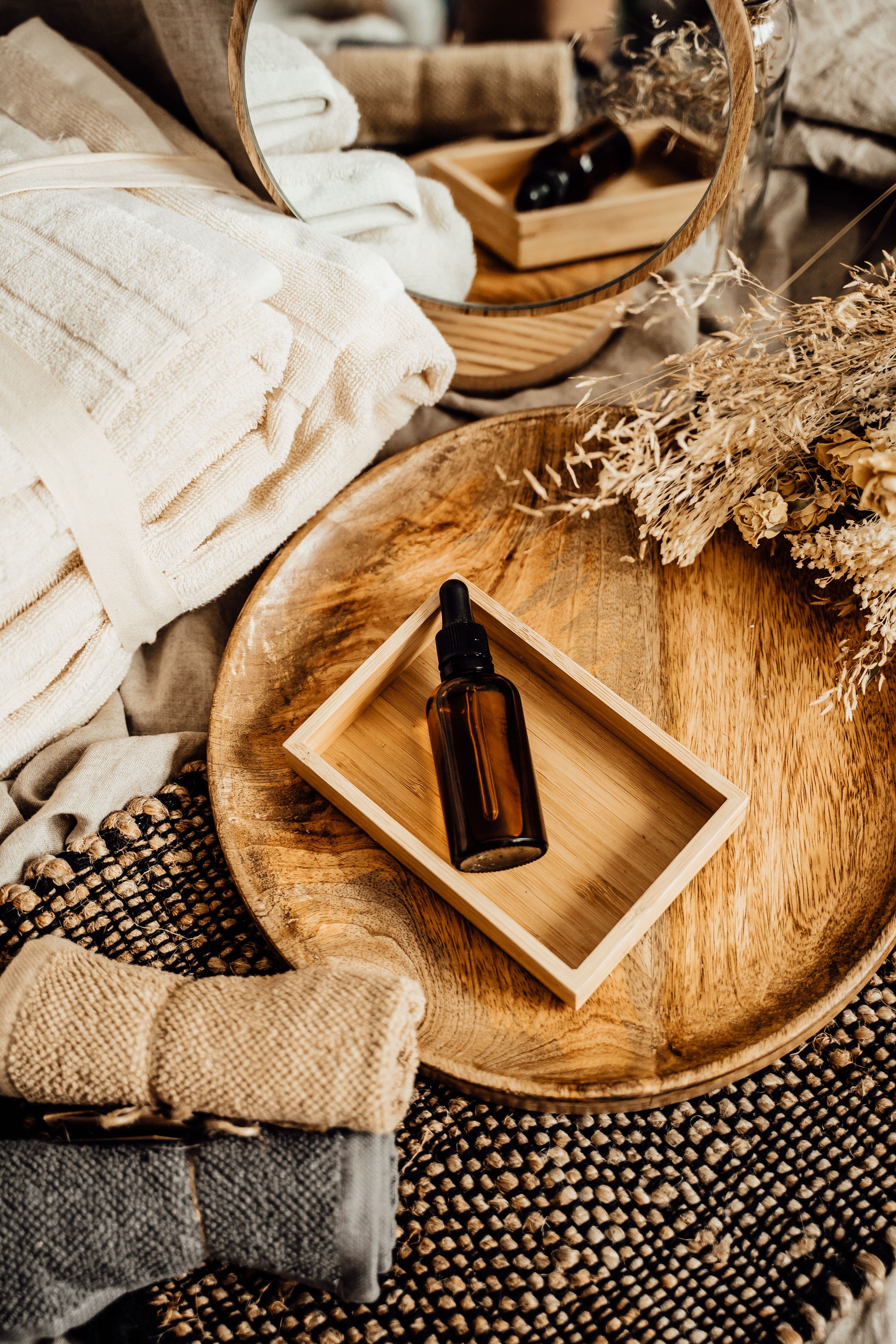
The Complete Guide to Organic Argan Oil: Transform Your Skin and Hair Naturally.
For centuries, women in Morocco have revered argan oil as a liquid gold, a potent elixir that nourishes both skin and hair with remarkable effectiveness. Today, this precious oil has captured the attention of beauty enthusiasts worldwide, becoming a staple in natural skincare and haircare routines.
If you've been searching for a single product that can address multiple concerns, from dry skin and fine lines to damaged, lifeless hair, you've likely encountered argan oil in your research. But what makes this oil so special, and how can you incorporate it into your daily routine for maximum benefits?
In this comprehensive guide, we'll explore the science backed benefits of organic argan oil, practical ways to use it, and tips for selecting the highest quality product for your needs. Whether you're dealing with stubborn dry skin, signs of aging, or hair that needs revival, argan oil might just be the natural solution you've been seeking.
What Is Argan Oil?
Argan oil is a plant oil extracted from the kernels of the argan tree (Argania spinosa), which grows exclusively in southwestern Morocco. This hardy tree has adapted to survive in harsh, arid conditions, and its fruit contains kernels rich in nutrients that benefit human skin and hair.
The oil is typically produced through a labour-intensive process. Local women cooperatives harvest the fruit, dry it, crack the nuts to remove the kernels, and then cold press them to extract the oil. This traditional method preserves the oil's beneficial compounds, which can be lost through heat processing.
There are two primary types of argan oil:
Culinary argan oil: Roasted before pressing, giving it a darker colour and nuttier flavour used in Moroccan cuisine.
Cosmetic argan oil: Unroasted and cold-pressed, retaining its light golden colour and maximum nutrient content for skin and hair applications.
For skin and hair care, you'll want to select crapfree 100% pure, organic argan oil, which is unrefined and cold-pressed to maintain its therapeutic properties.
The Nutritional Profile: Why Argan Oil Works:
What makes argan oil so effective? The answer lies in its impressive nutritional composition:
Essential Fatty Acids.
Argan oil is rich in linoleic acid (an omega-6 fatty acid) and oleic acid (an omega-9 fatty acid). These essential fatty acids cannot be produced by the body and must be obtained through diet or topical application. They work to:
- Strengthen the skin's barrier function.
- Lock in moisture and prevent water loss.
- Reduce inflammation.
- Support cell regeneration.
- Vitamin E (Tocopherols).
Argan oil contains exceptionally high levels of vitamin E, a powerful antioxidant that protects skin from free radical damage caused by environmental stressors like UV radiation and pollution. Vitamin E also supports skin healing and helps maintain collagen integrity.
Phenolic Compounds:
The oil contains antioxidants including caffeic acid, oleuropein, and ferulic acid, which contribute to its anti-inflammatory and protective properties.
Sterols:
Plant sterols in argan oil help regulate skin cell function and support the skin's natural renewal processes.
This unique combination of nutrients makes argan oil exceptionally versatile for addressing multiple skin and hair concerns.
Benefits of Argan Oil for Skin:
Deep Hydration Without Greasiness:
One of the most celebrated benefits of argan oil for skin is its ability to provide intense hydration without leaving a heavy, greasy residue. The oil is lightweight and absorbs relatively quickly into the skin.
Unlike many heavy moisturisers that sit on the skin's surface, argan oil penetrates the outer layers to deliver moisture directly where it's needed. The fatty acids help strengthen the skin's lipid barrier, improving its ability to retain moisture throughout the day.
How to use:
Apply a few drops of pure argan oil to damp skin after cleansing. The water on your skin helps distribute the oil evenly and enhances absorption.
Anti-Aging Properties:
As we age, our skin's natural production of collagen and elastin decreases, leading to the formation of fine lines and wrinkles. Argan oil can help combat these signs of aging through multiple mechanisms:
- Antioxidant protection: Vitamin E and phenolic compounds neutralize free radicals that accelerate skin aging.
- Collagen support: The nutrients in argan oil help preserve collagen fibres, maintaining skin firmness.
- Cell regeneration: Essential fatty acids support the turnover of skin cells, revealing fresher, more radiant skin.
Regular application of argan oil can help smooth the appearance of fine lines and improve skin elasticity, giving it a more youthful glow.
Soothing Irritation and Inflammation:
The anti-inflammatory properties of argan oil make it particularly beneficial for those with sensitive or irritated skin. Conditions like eczema, psoriasis, and rosacea often involve inflammation that responds well to the omega fatty acids and antioxidants in argan oil.
The oil helps calm redness, reduce itching, and support the skin's healing process. Many people with sensitive skin find that argan oil is gentle enough to use without causing additional irritation.
Tip: For targeted application to irritated areas, warm a few drops of argan oil between your palms and press gently onto the affected skin.
Scar and Stretch Mark Fading:
While argan oil won't completely eliminate scars or stretch marks, it can help improve their appearance over time. The oil's ability to support cell regeneration and improve skin elasticity can help:
- Soften the texture of scars.
- Reduce the discoloration that often accompanies stretch marks.
- Improve the overall appearance of skin tissue.
Consistency is key, applying argan oil regularly over several weeks or months will yield the best results.
Protection Against Environmental Damage:
Our skin faces daily assault from environmental factors including UV radiation, pollution, and harsh weather conditions. The antioxidant compounds in argan oil help create a protective barrier against these stressors.
While argan oil should not replace your daily sunscreen (it provides minimal UV protection on its own), it can help support the skin's natural defence mechanisms and may offer some degree of protection against free radical damage from environmental exposure.
Benefits of Argan Oil for Hair:
Intense Moisture for Dry, Brittle Hair:
Just as argan oil benefits dry skin, it works wonders for parched, brittle hair. The fatty acids penetrate the hair shaft to deliver moisture from within, helping to:
- Reduce dryness and flaking.
- Improve hair elasticity.
- Prevent breakage and split ends.
Unlike many commercial hair products that only coat the hair surface, organic argan oil can actually penetrate the hair cuticle to nourish from within.
Restoring Shine and Lustre:
Dull, lifeless hair often results from accumulated damage, dryness, and cuticle roughening. Argan oil helps smooth the hair cuticle—the outer protective layer of each hair strand—when applied, reflecting light more effectively and creating a visible shine.
Regular use can transform lacklustre hair into noticeably shinier, healthier-looking locks.
Heat Protection:
If you regularly use heat styling tools—blow dryers, flat irons, curling wands, argon oil can serve as a protective barrier. Apply a small amount to damp hair before heat styling to help reduce damage and moisture loss.
The oil's heat-resistant properties provide some degree of protection against the drying effects of high temperatures.
Scalp Health:
A healthy scalp is the foundation for healthy hair. Argan oil's anti-inflammatory and moisturising properties can help address common scalp concerns:
- Dryness and flaking: The oil moisturizes the scalp to reduce itchiness and dandruff-like symptoms
- Inflammation: Anti-inflammatory compounds can calm irritation
- Circulation: Massaging argan oil into the scalp can stimulate blood flow, supporting hair follicle health
For targeted scalp treatment, warm the oil slightly and massage it into the scalp before shampooing.
Frizz Control:
Frizzy hair results from dryness and damage to the hair cuticle, causing strands to absorb moisture from the air and become poofy. Argan oil helps smooth the cuticle and lock in moisture, effectively taming frizz and creating a more controlled, polished look.
How to Use Argan Oil: Practical Application Guide:
For Skin:
As a Moisturiser:
- Cleanse your face and pat dry
- While skin is still damp, dispense 3-5 drops of argan oil into your palm
- Warm the oil by rubbing your palms together
- Press and pat the oil onto your face, avoiding the eye area
- Follow with your regular skincare routine
As an Overnight Treatment:
For intensive hydration, apply a slightly thicker layer of argan oil before bed and leave it on overnight. This allows the nutrients to fully penetrate and work while you sleep.
For Body Application:
Argan oil isn't just for your face. Apply it to dry areas like elbows, knees, heels, and hands for overall body hydration. Many people find it particularly effective for soothing dry winter skin.
For Hair:
As a Pre-Shampoo Treatment:
- Warm 1-2 tablespoons of argan oil (depending on hair length and thickness)
- Apply to dry or damp hair, focusing on the lengths and ends
- Leave on for 20-30 minutes (or overnight for intensive treatment)
- Shampoo thoroughly to remove the oil
As a Leave-In Treatment:
Apply a few drops to damp hair after washing, focusing on the ends to smooth frizz and add shine. Start with a small amount, you can always add more if needed.
For Scalp Treatment:
Massage warm argan oil into the scalp before washing to improve circulation and address dryness. Leave on for 30 minutes to an hour before shampooing.
As a Styling Aid:
Apply a tiny amount to dry hair to tame flyaways and add shine. Use sparingly to avoid weighing down fine hair.
Choosing High-Quality Argan Oil:
With the popularity of argan oil, the market is flooded with products of varying quality. Here's what to look for when selecting the best argan oil for your needs:
Check the Ingredients:
Crapfree argan oil contains just one ingredient: 100% pure argan oil (Argania spinosa kernel oil). Avoid products with added fragrances, preservatives, or other fillers that can diminish the oil's effectiveness.
Look for Certification:
Crapfree Argan Oil is certified organic which ensures that the argan trees were grown without synthetic pesticides or fertilisers. While not absolutely necessary, organic certification provides an extra layer of quality assurance.
Consider the Extraction Method:
Crapfree Argan Oil is cold pressed so it retains more of its beneficial compounds than oil extracted using heat. The best oils are those that specifically mention cold pressing.
Check the Colour and Smell:
Crapfree pure, organic, unrefined argan oil has a light golden colour and a mild, slightly nutty scent. If the oil is very dark, has a strong smell, or appears cloudy, it may be lower quality or improperly stored.
Packaging Matters:
Argan oil is sensitive to light and heat, which can degrade its beneficial compounds. Crapfree Argan Oil is packaged in dark glass bottles (usually amber or cobalt blue) that protect against light exposure.
Price Considerations:
Genuine, high-quality argan oil is relatively expensive due to the labour-intensive production process. Be wary of products that seem unusually inexpensive, they may be diluted or of inferior quality. While you don't need to buy the most expensive option, expect to pay a reasonable price for pure, cold-pressed organic argan oil.
Frequently Asked Questions
How quickly will I see results?
Individual results vary, but many people notice improved skin hydration within a few days of regular use. For hair, you may see improved shine and manageability after just one or two applications. More significant benefits, like reduced fine lines or improved hair condition, typically become apparent after several weeks of consistent use.
Can I use crapfree argan oil with other skincare products?
Yes, crapfree argan oil generally works well with other products. Apply it after cleansing and toning, but before heavier creams or makeup. If using prescription skincare products, consult your dermatologist about timing.
Is crapfree argan oil suitable for all skin types?
Crapfree argan oil is generally suitable for all skin types, including oily skin. Its lightweight nature means it shouldn't clog pores or cause breakouts for most people. Those with very oily skin may want to use it sparingly or only on particularly dry areas.
How should I store my crapfree argan oil?
Store your crapfree argan oil in a cool, dark place, ideally not in the bathroom where humidity fluctuates. Refrigeration can extend its shelf life but isn't necessary. Always close the lid tightly after use.
Conclusion:
Organic argan oil stands as one of nature's most versatile beauty elixirs, capable of addressing a wide range of skin and hair concerns through its rich nutritional profile. Whether you're seeking deep hydration, anti-aging benefits, or a solution for damaged hair, this golden oil offers a natural, science-supported option.
The key to success with argan oil lies in selecting a high, quality, pure product and using it consistently. By incorporating this nourishing oil into your daily routine, you can unlock the transformable benefits that Moroccan women have enjoyed for centuries.
Ready to experience the benefits of organic argan oil for yourself? Start by selecting crapfree pure, cold-pressed, organic Argan oil, and begin with once daily application to see how your skin and hair respond. With patience and consistency, you may find that this ancient beauty secret becomes a modern-day essential in your self care routine.
Here's to healthy, glowing skin and beautiful, resilient hair—naturally.
Potential Considerations and Precautions:
While argan oil is generally well-tolerated by most skin types, it's wise to exercise caution:
Patch Test First:
If you have sensitive skin or are trying argan oil for the first time, apply a small amount to a discreet area (like your inner wrist) and wait 24 hours to check for any adverse reactions.
Comedogenic Rating:
Argan oil has a zero comedogenic rating, meaning it won’t clog pores for most people. However, those with extremely acne-prone skin may want to introduce it gradually and monitor their skin's response.
Nut Allergies:
While argan nuts are not technically tree nuts, those with severe nut allergies should consult a healthcare provider before using argan oil topically.
Quality for Eyes:
Avoid applying argan oil too close to the eye area. The oil can cause irritation if it gets into the eyes.